Wine Tasting Notes & Food Pairing Guide
Discover the art of wine appreciation through Proof Gazetteer’s curated tasting notes and pairing recommendations for Italian wines and fine dining experiences.
The Art of Wine Tasting
Wine tasting is more than simply drinking wine—it’s a sensory experience that engages sight, smell, and taste in a deliberate, methodical way. Whether you’re exploring fine Italian wines or discovering local Massachusetts vintages, understanding the fundamentals of tasting can transform your appreciation of what’s in your glass. At Proof Gazetteer, we believe every wine tells a story about its terroir, its makers, and the traditions behind it.
The tasting process begins with observation. Color and clarity reveal information about age and oxidation. A pale golden wine suggests a younger white, while deeper amber tones often indicate oak aging or extended bottle age. Swirl the wine gently in your glass—this aerates the liquid and releases aromatic compounds that rise to the surface. Take time to breathe in these aromas before tasting. Your sense of smell accounts for much of what you perceive as flavor.
Italian Wine Varieties to Know
Italian wines represent centuries of winemaking tradition and regional pride. Understanding the key varieties helps you navigate wine lists with confidence and discover new favorites suited to your palate.
Nebbiolo
Grown in the Piedmont region, Nebbiolo produces powerful, elegant wines with high acidity and firm tannins. Barolos and Barbarescos made from this grape age beautifully and develop complex flavors of tar, licorice, and rose petals. These wines demand patience and proper decanting, rewarding careful tasting with remarkable depth.
Sangiovese
The heart of Tuscan wine, Sangiovese expresses itself differently depending on altitude and subregion. Chianti Classicos offer vibrant cherry notes with herbal undertones, while Brunello di Montalcino provides richer, more concentrated flavors. This versatile variety pairs exceptionally well with Italian cuisine.
Barbera
Often overlooked in favor of its prestigious cousins, Barbera offers approachable, fruit-forward wines with good acidity. These wines are perfect for everyday enjoyment and pair wonderfully with pasta dishes and grilled meats. Look for Barbera d’Alba or Barbera d’Asti for exceptional value.
Pinot Grigio & Vermentino
Italian white wines offer crisp, refreshing alternatives to heavier reds. Pinot Grigio from the northeast delivers minerality and citrus notes, while Vermentino from Sardinia brings herbal complexity and salinity. These whites are ideal for warm weather and lighter preparations.
Wine & Food Pairing Principles
The fundamental principle of wine and food pairing is simple: match the weight and intensity of the wine to the weight and intensity of the dish. A delicate white wine complements light seafood, while a full-bodied red stands up to rich meats and hearty preparations. Consider the dominant flavors, sauce components, and cooking method when selecting your pairing.
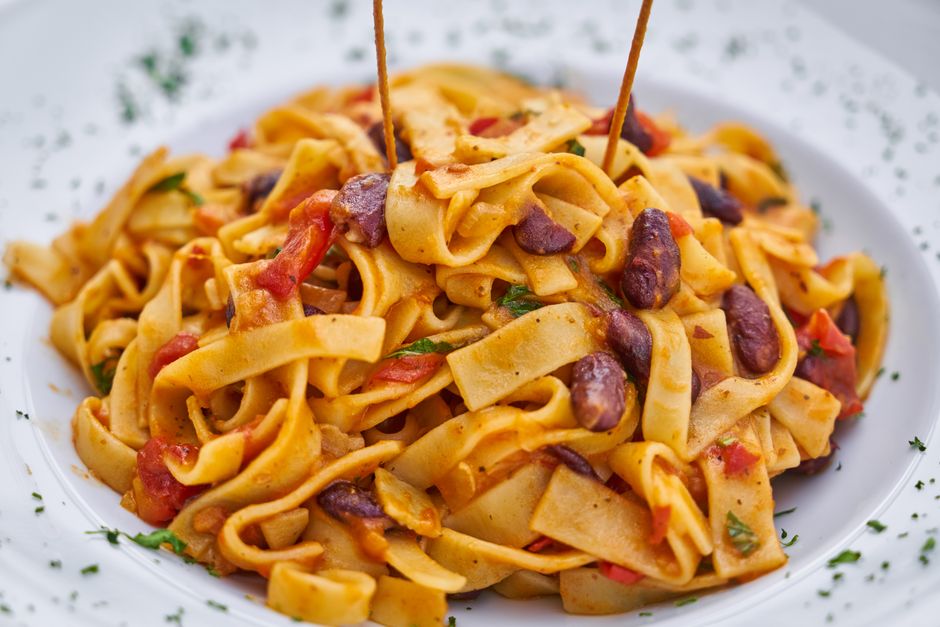
Italian wines have evolved alongside Italian cuisine for centuries, creating natural affinities. The acidity in many Italian wines cuts through rich pasta sauces and cheese-based dishes. Tannins in Sangiovese complement tomato-based preparations perfectly. Barbera’s brightness enhances grilled vegetables and meats. These pairings aren’t coincidence—they’re the result of generations of cultural refinement.
Best Wine in Massachusetts
While Massachusetts isn’t known as a wine region, our state offers excellent resources for wine enthusiasts and diners. Needham and surrounding communities feature restaurants and wine bars showcasing thoughtfully curated selections of Italian wines. The best wine for you is ultimately the one that brings you pleasure and complements your meal.
Fine dining establishments in the Needham area feature wine programs developed by knowledgeable sommeliers. These professionals understand regional Italian wine production and can guide you through selections that enhance your dining experience. When visiting restaurants that prioritize wine, don’t hesitate to ask your server for recommendations. A good wine pairing elevates a memorable meal into something truly exceptional.
Exploring Local Wine Selections
Building your personal wine knowledge requires tasting and exploration. Visit wine bars and restaurants that offer flights—small pours of multiple wines that allow you to compare and contrast. Many establishments now provide wine education through tastings and pairing dinners. These events are excellent opportunities to refine your palate and discover new favorites. Don’t be intimidated by wine terminology or the wine selection process. Wine professionals are generally delighted to help curious learners.
The Wine Tasting Experience
Sight: Observing Color and Clarity
Hold your wine glass up to light and examine the color. White wines range from pale yellow to deep gold. Reds span from light ruby to dark garnet. Clarity indicates wine quality—fine wines should be transparent without cloudiness. The rim can suggest age: young reds have purple edges, while mature reds develop orange-brown tones.
Nose: Detecting Aromas
Swirl your wine gently to release volatile compounds. Bring the glass to your nose and inhale deeply. Professional tasters identify layers of aromas: primary aromas from the grape variety (fruit, floral), secondary aromas from fermentation, and tertiary aromas from aging. Don’t worry about identifying every scent—focus on what you perceive and enjoy.
Taste: The Complete Experience
Take a sip and allow the wine to coat your mouth. Swish it around to engage different taste receptors. Notice the balance of acidity, tannins, and fruit. Is the finish short or long? A wine’s finish—how long the flavors persist after swallowing—often indicates quality and complexity. Consider whether the wine would pair well with food or stand alone as a meditation worthy of your time.
Hosting a Wine Tasting
Organizing a wine tasting at home allows you to explore wines with friends in a comfortable setting. Choose 4-6 wines to taste—too many wines overwhelm the palate. Arrange them from lightest to heaviest, white before red, dry before sweet. This progression allows your palate to build complexity gradually without fatigue.
Provide fresh water, plain crackers, and bread to cleanse the palate between tastings. Use white napkins to better observe wine color. Provide tasting notes or scorecards so guests can track their impressions. Play soft background music and create an atmosphere conducive to conversation and discovery. A successful tasting emphasizes enjoyment and learning over pretension or criticism.
Consider pairing wines with food if desired. Italian wines shine when accompanied by appropriate cuisine—Nebbiolo with aged cheeses, Sangiovese with tomato-based preparations, Pinot Grigio with light seafood. The food doesn’t need to be complex; simple, quality ingredients allow both wine and food to shine.
Discover Your Wine Journey
Wine appreciation is a deeply personal journey. There are no wrong preferences—only the wines that bring you joy. Whether you’re exploring Italian vintages for the first time or refining your established palate, approach wine with curiosity and openness. Visit local restaurants that celebrate quality wines, participate in tastings, and share your discoveries with friends. At Proof Gazetteer, we believe wine is meant to enhance life’s finest moments and bring people together.