Fresh Recipes & Cooking Techniques
Learn the techniques behind authentic Italian cuisine
The Art of Pasta Making
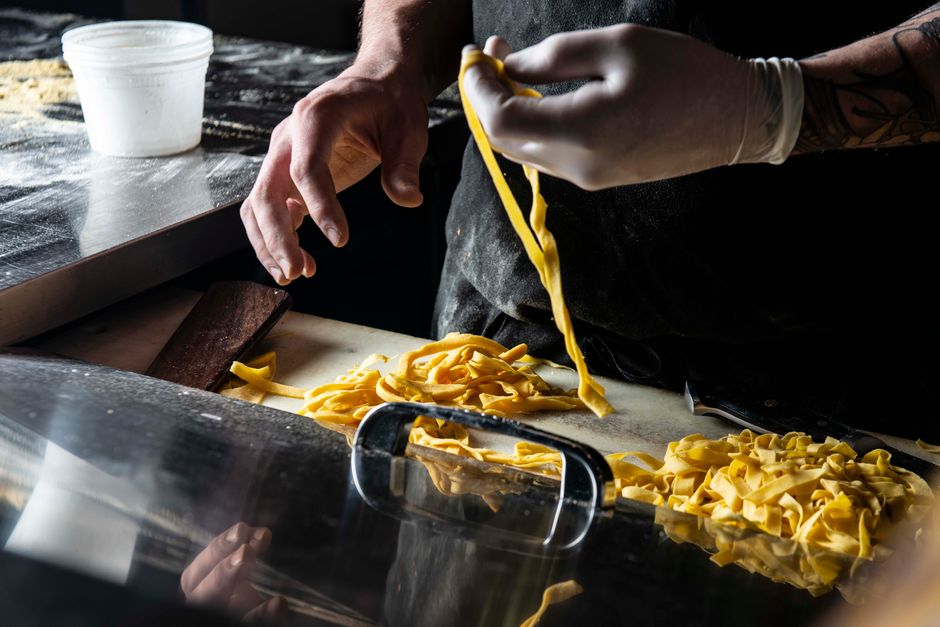
Authentic Italian pasta is much more than flour and water—it’s a craft refined over centuries. The difference between a memorable pasta dish and a mediocre one begins in the kitchen, where skilled cooks understand that the quality of ingredients and precision of technique create dishes that transport diners to Italy.
Fresh vs. Dried Pasta: While dried pasta has its place in Italian cooking, fresh pasta offers a delicate texture that enhances subtle sauces. Fresh pasta made with eggs creates a silky richness that captures cream-based sauces beautifully. The key is knowing when to use which—fresh for delicate, buttery sauces; dried for robust, oil-based preparations.
Essential Ingredients
Olive Oil
The foundation of Italian cooking. Extra virgin olive oil provides flavor and richness that defines authentic Italian dishes. Quality matters—invest in a good oil from a trusted producer for the best results.
Fresh Herbs
Basil, oregano, and parsley are the holy trinity of Italian herbs. Fresh herbs add brightness and aromatic complexity that dried versions cannot replicate. Always use fresh when possible—the difference in flavor is remarkable.
San Marzano Tomatoes
These specific tomatoes from the volcanic soils near Naples have lower acidity and fewer seeds, creating smoother, more refined sauces. When making tomato-based dishes, seek out authentic San Marzano varieties.
Cooking Techniques Worth Mastering
Emulsification: One of the most important techniques in pasta cooking is creating an emulsion between pasta water, sauce, and fat (usually olive oil or butter). The starches in pasta water act as an emulsifier, creating a silky sauce that coats the pasta evenly. Always reserve pasta water and use it to adjust sauce consistency—this is what separates home cooking from restaurant-quality results.
Building Flavor Layers: Authentic Italian cooking builds flavor through proper technique rather than complicated ingredients. Toast your aromatics in olive oil, deglaze with wine, reduce sauces properly, and taste constantly. Each step is an opportunity to develop deeper, more complex flavors. This methodical approach is why restaurant dishes taste different from hurried home cooking.
Timing and Temperature: Whether you’re making fresh pasta or preparing proteins, understanding temperature control is essential. Proper searing creates flavor through the Maillard reaction, while gentle cooking preserves delicate textures. Professional kitchens succeed through precision—knowing exactly when to add each ingredient and at what temperature.
Learn from the Masters
The best way to improve your cooking is to study how professionals approach their craft. Watching skilled chefs work reveals the importance of precision, timing, and deep respect for ingredients. Whether you’re watching a cooking demonstration or dining at a restaurant that prioritizes excellence, pay attention to the techniques being used.
Good cooking is learned through practice, observation, and a willingness to understand why each technique matters. When you dine at restaurants that excel at pasta-making and sauce preparation, you’re not just eating—you’re witnessing years of accumulated knowledge and skill. Take those lessons back to your own kitchen, and you’ll find your cooking transforms.
Interested in deepening your cooking knowledge? Explore Proof Gazetteer’s restaurant recommendations where you can experience professional-quality Italian cuisine and see how master chefs apply these techniques in their kitchens.