Italian Dining & Fresh Pasta Frequently Asked Questions
Your questions about authentic Italian cuisine, fresh pasta, and wine pairings answered
Fresh Pasta Essentials
What’s the difference between fresh and dried pasta?
Fresh pasta is made with eggs and flour, giving it a tender, delicate texture and rich flavor. It cooks in minutes and pairs beautifully with cream-based and lighter sauces. Dried pasta, made without eggs, has a firmer texture and holds up better to heavier, oil-based sauces. Both have their place in Italian cuisine—what matters is using the right type for your dish.

How do you properly cook fresh pasta?
Fresh pasta requires careful attention. Bring salted water to a rolling boil, then add your pasta. Unlike dried pasta, fresh pasta cooks very quickly—usually 2-4 minutes depending on thickness. Watch it carefully and taste for doneness. It should be tender but still have a slight bite. Drain immediately and toss with sauce right away to prevent sticking. The key is not overcooking, which can turn it mushy.
What makes authentic Italian pasta special?
Authentic Italian pasta prioritizes quality ingredients and traditional techniques. Fresh egg pasta is made with high-quality flour and farm-fresh eggs, creating a richer taste and better texture. The art of pasta-making—the skill of the hands shaping it, the timing of the cooking—all matter. Italian chefs understand that pasta is not just a vehicle for sauce; it’s a delicate component that should be showcased and respected.
Italian Dining Culture
What should I expect from an authentic Italian restaurant?
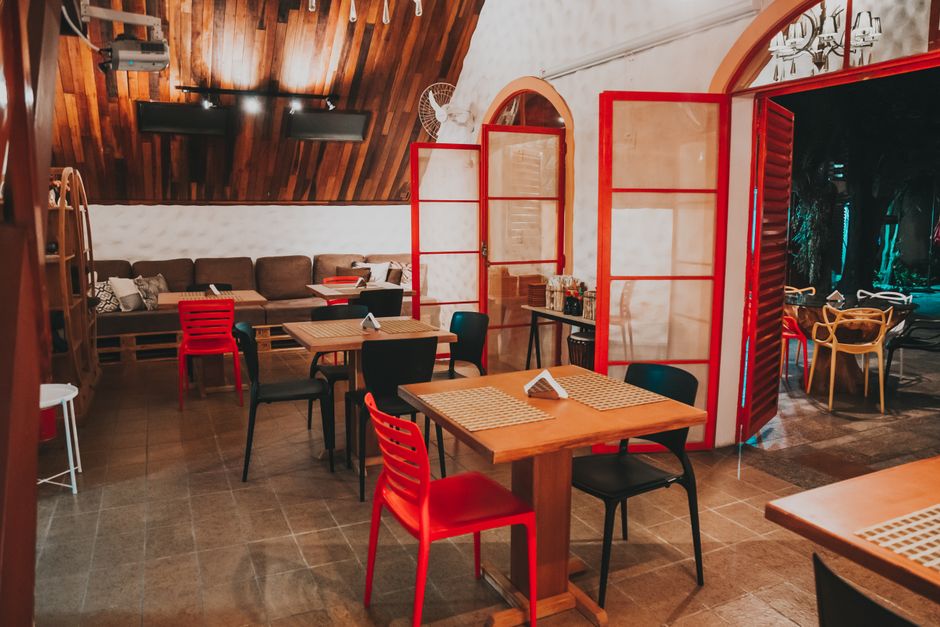
An authentic Italian restaurant honors traditional techniques and celebrates quality ingredients. You’ll find seasonal menus reflecting what’s available, not year-round artificial consistency. The atmosphere is warm and inviting, not pretentious. Service is professional but unhurried—meals are meant to be savored, not rushed. Portion sizes are reasonable, allowing you to experience multiple courses. Most importantly, you’ll taste the care and passion that goes into every dish.
How many courses should an Italian meal have?
Traditional Italian meals follow a classic structure: antipasto (appetizers), primo (first course—usually pasta or risotto), secondo (second course—meat or fish), contorno (vegetables), and dolce (dessert). Of course, modern dining is more flexible. You don’t need to have every course, but this progression teaches you something important about Italian food philosophy: each course has its role, and the meal is meant to be an experience rather than just eating.
Is it acceptable to ask for modifications at an Italian restaurant?
Respectfully asking is fine, especially for allergies or genuine dietary restrictions. However, Italian cuisine is built on tradition and specific ingredient combinations for a reason. Asking to “change” a dish significantly misses the point of dining there. The best Italian restaurants take pride in their recipes as written. Trust the chef’s expertise. If the menu doesn’t work for you, there are usually other options available.
Wine Pairing Guide
What wines pair best with Italian pasta dishes?
Italian wines pair naturally with Italian food. For tomato-based sauces, crisp whites like Pinot Grigio or Vermentino work beautifully. Cream-based dishes pair well with Chardonnay or Pinot Bianco. Meat sauces call for medium-bodied reds like Barbera or Chianti. The general rule: if it’s from the same region, it usually works together. Don’t overthink it—what matters is enjoying the combination and discovering what you prefer.

What should I know about Italian wine regions?
Italy has distinct wine regions, each with its own character. Piedmont in the north produces robust reds like Barolo. Tuscany is famous for Chianti and Brunello. Southern regions produce fuller-bodied wines and unique whites. Understanding these regions helps you navigate wine lists and understand the story behind each bottle. Each region’s wines reflect its climate, soil, and winemaking traditions—elements that make Italian wine so diverse and interesting.
How do I explore Italian wines without breaking the bank?
You don’t need expensive wine to enjoy quality. Many excellent Italian wines are reasonably priced, especially from lesser-known regions. When dining out, ask your server for recommendations in your price range—good servers can guide you to excellent value wines. Visit wine shops and ask for affordable Italian options. Attend wine tastings to learn. Most importantly, drink what you enjoy. The best wine is the one that brings you pleasure, regardless of price tag.
Dining Etiquette & Experience
What is Italian table etiquette?
Italian dining emphasizes enjoying the moment and respecting the food. Pass bread and salt to others before serving yourself. Use fork and knife for most dishes—hands are reserved for certain foods. Keep your napkin on your lap. Most importantly, embrace the pace. Italians don’t rush meals. Engaging in conversation, savoring each bite, and enjoying company is the point. At the end of your meal, place your fork and knife together on your plate to signal you’re finished.
How long should an Italian meal take?
Unlike quick-service dining, Italian meals are leisurely affairs. A full dinner typically takes 2-3 hours. This isn’t inefficiency—it’s intentional. The meal is an experience meant for conversation, connection, and savoring. Courses arrive with time between them. You’re encouraged to talk, laugh, and enjoy your companions. This cultural approach to dining is one of Italy’s greatest gifts: the reminder that food and time together are worth protecting.

Should I tip at an Italian restaurant?
In the United States, tipping practices apply to Italian restaurants as they do anywhere. A 15-20% tip for good service is standard. However, the focus in Italian dining is on the quality of service itself, not the expectation of tips. Good servers facilitate a memorable experience—they time courses perfectly, offer wine pairing guidance, and make you feel welcome. Tipping appropriately honors that effort.
Ready to Experience Italian Excellence?
Understanding Italian dining culture, fresh pasta craftsmanship, and wine pairing deepens your appreciation for this cuisine. At Proof Gazetteer, we’ve explored Needham’s best Italian restaurants and can guide you to authentic experiences that honor these traditions. Check out our dining guides to discover where to find genuine Italian excellence in your community.